Protein Timing for Hypertrophy and Recovery
Learn how the strategic distribution of protein intake can accelerate muscle growth and reduce systemic inflammation.
The Anabolic Window Reconsidered
For years, the 'anabolic window' was a obsession for gym-goers, but modern science shows a more nuanced reality. While post-workout nutrition matters, total daily protein distribution is the primary driver for muscle protein synthesis. Aiming for 20-30 grams of high-quality protein per meal ensures a steady stream of amino acids, particularly leucine, which acts as the 'switch' for muscle growth.
Animal vs. Plant Protein
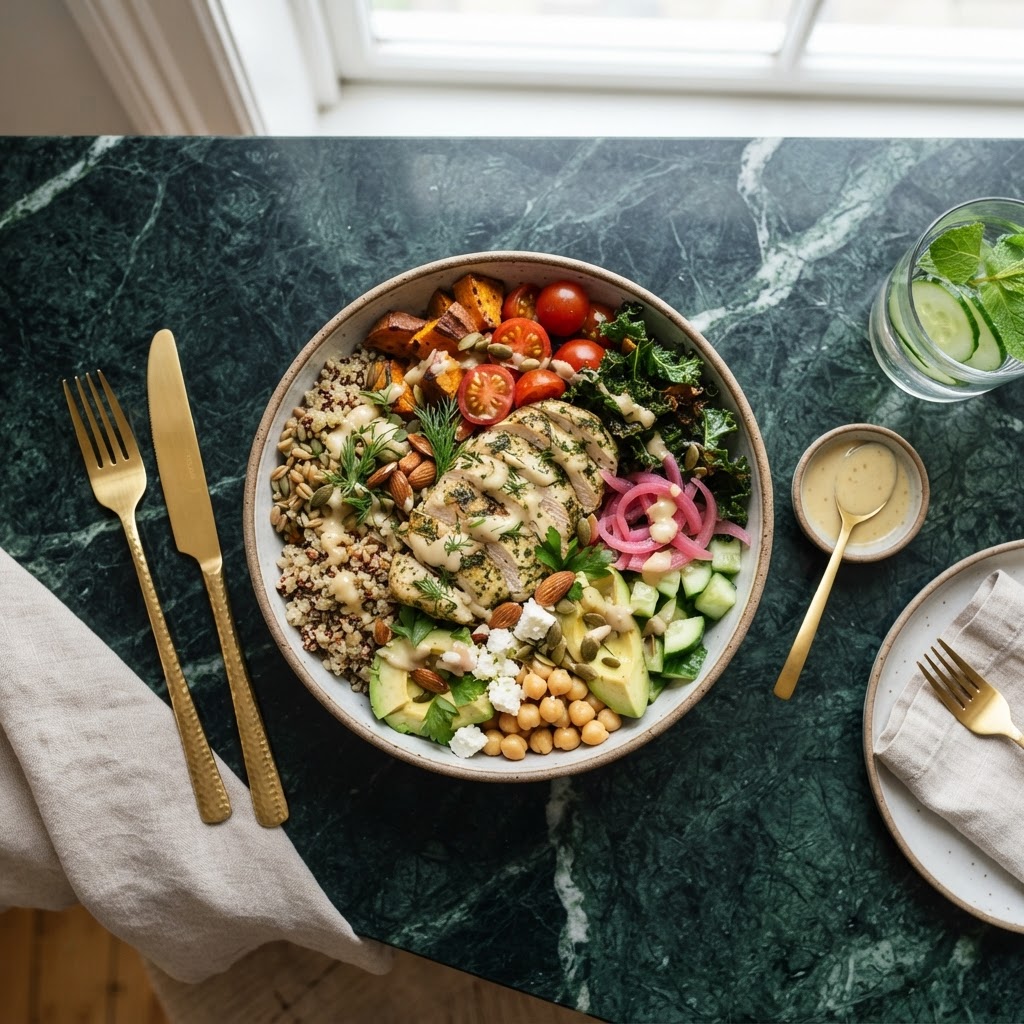
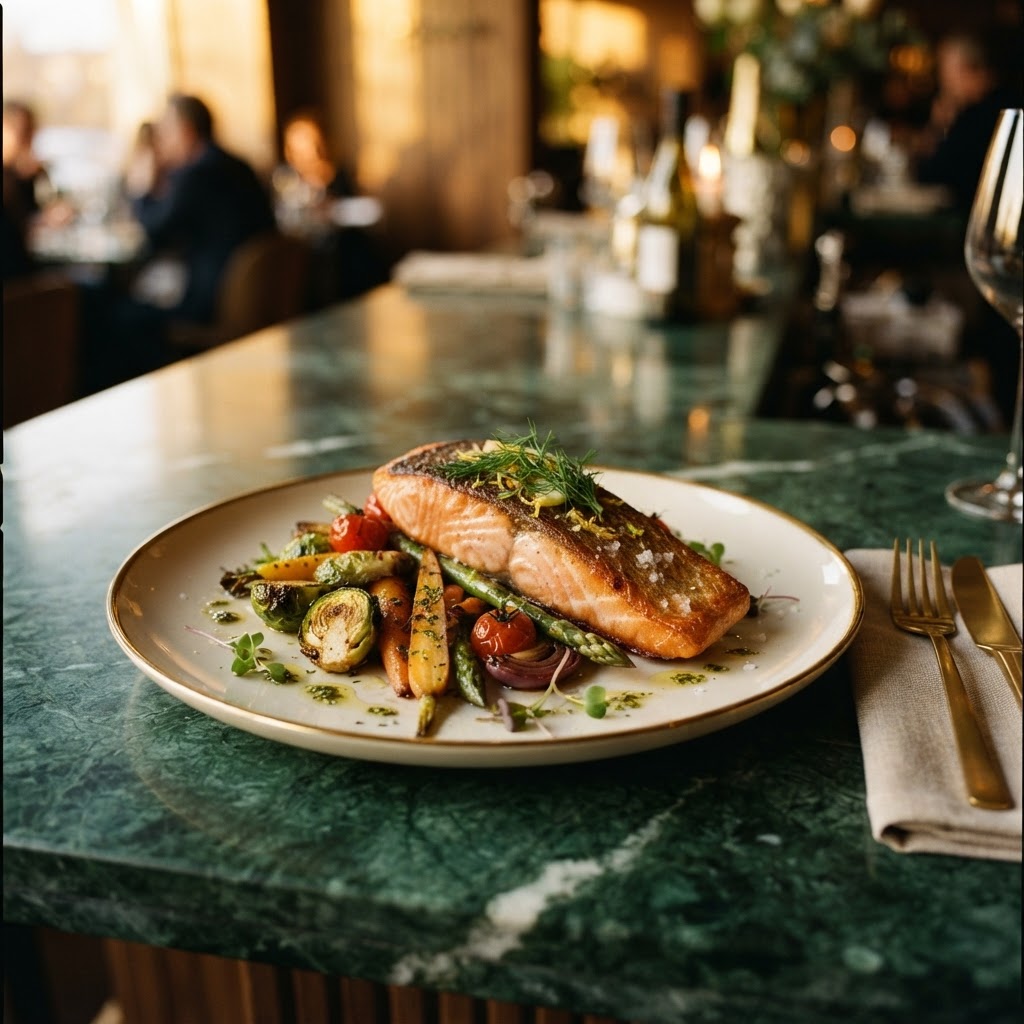
For muscle hypertrophy, the leucine content and digestibility score (PDCAAS) of your protein source are vital. Whey protein remains the gold standard for rapid absorption, but whole foods like lean beef, chicken, and eggs provide essential micronutrients that powders lack. Mixing sources is optimal for long-term gut health.
Managing Post-Workout Inflammation
Hard training creates temporary oxidative stress. Rather than neutralizing this with excessive antioxidant supplementation, prioritize protein intake alongside complex carbohydrates. This insulin response helps shuttle amino acids into muscle cells and replenishes glycogen stores, which is critical for the next training session.
Strategic Meal Mapping
To maximize muscle protein synthesis, structure your day around four protein-rich feedings. If you are training early in the morning, a pre-workout snack containing fast-digesting protein can prevent muscle catabolism during intense sessions. Consistent, high-quality protein consumption is the hallmark of a body optimized for strength and longevity.
Disclaimer: This content is for informational purposes only and does not constitute medical advice. Consult a healthcare professional before making significant dietary changes.
This article is for educational purposes only.
Always consult a licensed medical professional for personal advice.